Top 7 Alternatives of Teamflect for Microsoft Teams Integration
Your Microsoft Teams stack already handles meetings and chats, but performance reviews still live in scattered spreadsheets and emails. That disconnect costs you visibility into who is actually delivering, and it makes feedback cycles slower than they should be. This article breaks down the seven strongest Teamflect alternatives for Teams, starting with concrete criteria for evaluating native integration, feedback tools, and goal tracking, then walking through each option with pricing notes where available. By the end, you will have a clear #1 pick and a shortlist you can defend to your team.
What to Look For in Teamflect Alternatives for Microsoft Teams Integration
When evaluating Teamflect alternatives for Microsoft Teams, focus on integration depth, feature coverage, and scalability to ensure the tool enhances your existing workflows. The right solution should feel like a natural extension of Teams, not a separate app you have to juggle. Start by examining how deeply each tool connects with the platform you already use daily.
Native Teams integration is the first and most critical criterion. Check if the tool offers a deep integration that allows launching 1-on-1s directly from Teams meetings. Look for presence awareness, the ability to send praise or feedback inside chat threads, and meeting scheduling that syncs with your calendar. A shallow integration that only adds a tab will create friction rather than remove it.
Feature coverage should match your specific HR priorities. Some tools excel at performance management, while others focus on continuous feedback, OKR tracking, or employee recognition. Before comparing options, list the features your organization actually needs. This includes performance reviews, goal tracking, check-ins, peer recognition, and employee engagement surveys.
Consider the following feature categories when comparing tools:
- Performance management: review cycles, rating scales, and development plans
- Feedback tools: real-time feedback, praise, and 1-on-1 meeting templates
- OKR and goals: objective tracking, alignment views, and progress updates
- Recognition: peer-to-peer praise, rewards, and celebration feeds
- Surveys: engagement polls, pulse checks, and analytics dashboards
Ease of use determines adoption rates across your organization. If managers and employees find the tool complicated, they will stop using it within weeks. Look for intuitive interfaces that mirror the familiar Teams experience. The best alternatives minimize training time and let users accomplish tasks in a few clicks.
Analytics and reporting capabilities matter for HR leaders. You need visibility into engagement trends, feedback volumes, and goal completion rates. Check whether the tool provides pre-built dashboards or customizable reports. Look for export options and the ability to share insights with leadership without manual data compilation.
Pricing transparency saves time during the evaluation process. Many HR tools publish per-user pricing, while others require sales calls for basic quotes. Look for clear tier structures that show what features come at each level. Watch out for hidden costs like implementation fees, additional storage charges, or premium support add-ons.
Scalability ensures the tool grows with your organization. A solution that works for a 50-person team may struggle at 500 or 5,000 employees. Check whether the vendor supports multiple departments, complex reporting hierarchies, and international teams. Ask about onboarding support for new users and how the tool handles increased data volumes.
Customer support quality often separates good tools from great ones. Look for vendors that offer responsive help channels, documentation, and onboarding resources. Some tools provide in-app chat support, while others rely on email or community forums. Consider your team's technical skill level and how much hand-holding they will require during rollout.
Finally, check the Teams marketplace for user reviews and integration ratings. Tools like Workhuman, Kudos, 15Five, Lattice, Leapsome, Betterworks, and Culture Amp each bring different strengths to the table. Some prioritize recognition, while others focus on performance or OKR management. Shortlist tools that align with your top priorities, then request demos to test the integration experience firsthand.
1. HeyRamp - Best Overall
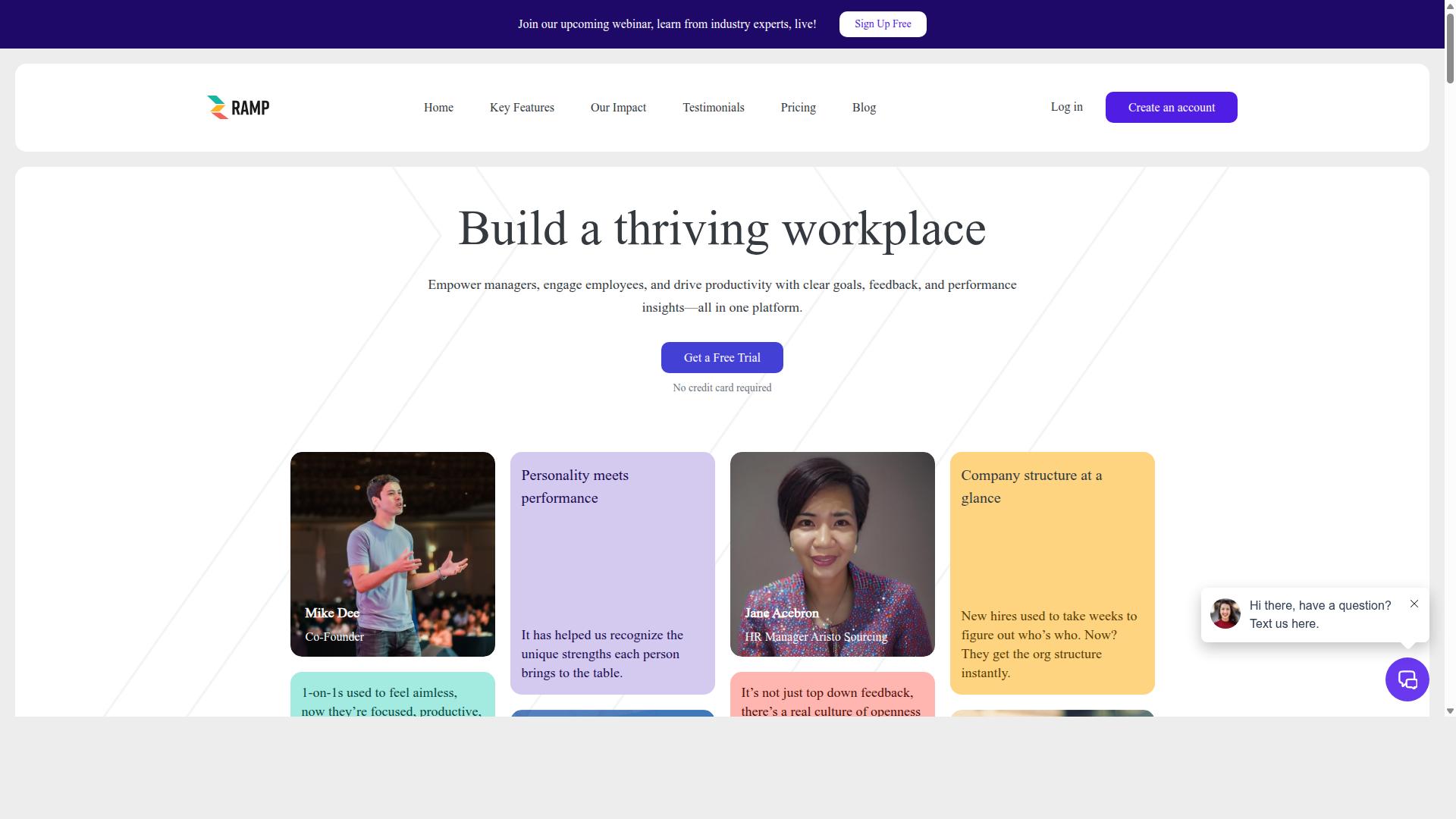
HeyRamp stands out as the best overall Teamflect alternative for Microsoft Teams users, combining a comprehensive feature set with affordable pricing and a native integration. It is built as an all-in-one platform for feedback, reviews, and team development, which means teams do not need to juggle multiple disconnected tools.
The platform suits leadership, HR, managers, and individual contributors alike. Leaders get people analytics dashboards and leadership insights, while HR teams benefit from compliance documentation with time-stamped secure records. Managers can run effective 1-on-1 meetings with organized agendas and action tracking, and employees gain access to personality insights and guided conversation templates.
Beyond reviews and feedback, HeyRamp covers OKR and goal management with real-time progress visualization. It also includes KPI snapshots, sentiment prompts, and automated reminders to keep engagement consistent. Built-in training videos for 1-on-1s, performance reviews, and personality testing reduce the learning curve for new users.
For Microsoft Teams users, this consolidation is a major advantage. Instead of switching between separate apps for performance management, employee recognition, and goal tracking, everything lives in one place. That simplicity is why it earns the top spot in this comparison.
Pricing and Value for Microsoft Teams Users
HeyRamp offers transparent pricing at $5 per seat monthly or $3 per seat annually, with a 14-day free trial and no credit card required. The trial provides full access from day one, so teams can explore every feature before committing. Users can also switch plans anytime without penalty.
The value goes beyond the low per-seat cost. The flat fee includes all features, which is a sharp contrast to competitors that charge extra for each module. Many HR tools price performance reviews, goal tracking, and engagement surveys separately, which drives costs up quickly as teams adopt more functionality.
With HeyRamp, the single price covers built-in training, compliance documentation, and personality insights. Enterprise teams can request custom pricing paid per seat, which scales predictably as the organization grows. There are no surprise add-ons or tiered feature gates.
For Microsoft Teams users comparing alternatives, this pricing model is easy to budget for. Research suggests that per-feature pricing often leads teams to skip valuable tools to save money. HeyRamp removes that trade-off, making it a strong value pick for organizations of any size.
2. Lattice
Lattice is a robust performance management platform that offers a native Microsoft Teams integration, making it a strong alternative for teams seeking structured reviews and goal tracking. The platform is widely recognized as an OKR software suited for HR-led organizations, combining traditional performance reviews with OKR functionality in a single system. For teams that want to move beyond ad-hoc feedback and build a formal review cadence, Lattice provides a clear framework.
Within Microsoft Teams, Lattice users can typically receive feedback prompts and access their goals without leaving the collaboration hub. This integration helps reduce friction for managers who want to stay on top of review cycles and continuous feedback. The ability to surface goals and check-ins directly inside Teams makes it easier for employees to keep performance objectives visible during daily work.
Lattice is generally considered a strong fit for mid-to-large organizations that have dedicated HR teams and structured talent management processes. Its pricing starts at $11 per user per month with annual billing, and the platform holds a G2 rating of 4.7 out of 5. That said, Lattice does not appear to offer a free plan, which may be a consideration for smaller teams on tight budgets.
For organizations that prioritize formal review cycles alongside goal setting, Lattice covers the essentials well. It also includes engagement surveys, which can help HR leaders gauge workplace sentiment over time. However, teams looking for a lighter-weight, more recognition-focused experience may find Lattice's structure more process-heavy than necessary. It remains a credible option for companies that want performance management and OKR tracking in one place.
3. Leapsome
Leapsome offers a comprehensive platform for performance management, employee engagement, and OKR tracking, with a Microsoft Teams integration that keeps workflows seamless. It is designed for growing organizations that want to connect feedback, goals, and development in one place. The platform combines multiple HR functions, which helps teams reduce the number of disconnected tools they rely on daily.
Core features include 360-degree reviews, goal setting, engagement surveys, and learning and development tools. It also supports time tracking and absence management, making it a broader HR solution than a pure feedback tool. AI-powered analysis and action plans help managers turn survey results into concrete next steps, while customizable templates and automated review cycles reduce administrative overhead.
The Microsoft Teams integration keeps employees informed without switching apps. Users receive notifications for pending reviews, survey reminders, and goal updates directly in Teams. Quick actions allow managers to launch check-ins or approve goals from the chat interface, which supports continuous feedback and regular development conversations.
Leapsome includes anonymity filters for feedback, which can encourage more honest responses during review cycles. The platform is available in 38 languages and is ISO 27001:2022 certified, with GDPR and CCPA compliance. Pricing starts at US$3 per user per month, though most organizations require a custom quote based on their module selection and team size.
This tool suits HR teams that want to reduce their tech stack while prioritizing employee development and engagement. Its analytics features track adoption and participation, giving leaders visibility into how consistently teams use the platform. For organizations comparing Teamflect alternatives, Leapsome stands out when the goal is a unified performance and engagement hub rather than a focused recognition or check-in tool.
4. 15Five
15Five focuses on continuous performance management with weekly check-ins, peer recognition, and manager coaching, and it integrates with Microsoft Teams. The platform is designed around a simple cadence: employees answer a short set of questions each week, managers review the responses, and the conversation continues from there. This rhythm keeps performance discussions from being saved up for a once-a-year review cycle.
The Teams integration is practical for daily workflows. Users can submit their weekly check-ins directly from the Teams interface and receive automated reminders when a response is due. Managers also get notifications when their direct reports have submitted updates, which reduces the friction of chasing people down for status reports.
Beyond check-ins, 15Five includes tools for setting objectives, gathering real-time feedback, and recognizing peers for good work. The platform also offers 15Five AI, which includes a coaching assistant and analytics dashboards to help managers spot engagement trends. The combination of structured check-ins and AI-driven insights makes it a strong option for organizations that want to improve manager-employee communication.
Research suggests that regular, structured conversations between managers and employees are a key driver of engagement. 15Five builds its entire model around that principle, making it a solid choice for teams that struggle with inconsistent feedback or disengaged staff. It is less focused on rewards and recognition than some alternatives, but it excels at creating a consistent coaching culture.
5. Culture Amp
Culture Amp is a leading employee engagement and performance platform, known for its advanced analytics and survey tools, with a Microsoft Teams integration for easy access. It is built primarily for mid-market and enterprise teams, typically those with 200 or more employees. The platform focuses on helping HR leaders understand the employee experience through structured data collection.
The core of Culture Amp lies in its engagement surveys and people analytics. It offers pulse surveys, onboarding and offboarding surveys, and DEI surveys, all designed to capture sentiment at scale. Beyond surveys, the platform includes performance reviews, continuous feedback, 1-on-1 conversation tools, and goal management to cover the full talent cycle.
For Microsoft Teams users, the integration surfaces survey notifications and results directly within the flow of work. This means employees can respond to check-ins or view engagement trends without switching apps. The goal is to make actionable analytics part of daily collaboration rather than a quarterly HR event.
Culture Amp also provides benchmarking data and an AI Coach for personalized performance guidance. These features help HR teams compare their results against industry standards and coach managers more effectively. However, pricing is not publicly listed, and interested teams generally need to go through a sales cycle to get a quote.
This alternative is ideal for data-driven HR teams that prioritize survey depth and analytical rigor over lightweight recognition tools. If your organization wants to link engagement metrics to performance outcomes, Culture Amp provides a strong foundation. It is less suited for small teams that need instant setup and transparent, self-serve pricing.
6. Perdoo
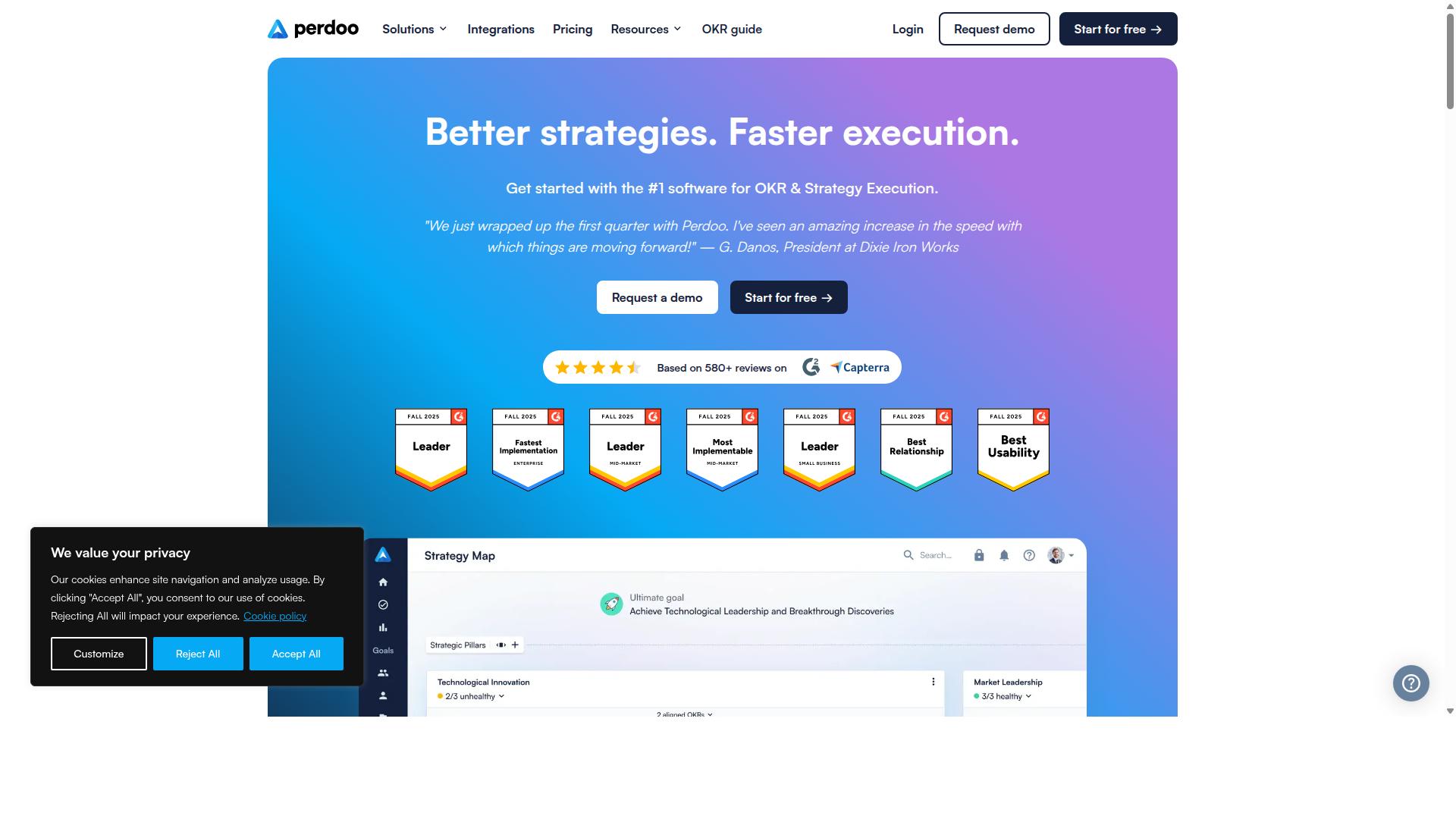
Perdoo specializes in OKR and goal management, helping teams align objectives and track progress, with a Microsoft Teams integration for real-time updates. It brings strategy, goals, and performance together in a single platform, making it a strong fit for organizations that want more than simple task tracking.
The platform focuses on setting clear direction, aligning teams around shared outcomes, and tracking KPIs alongside OKRs. Users can map initiatives to strategic objectives and report on progress without juggling multiple tools.
Its Microsoft Teams integration keeps goal updates visible where teams already collaborate. Conversations can be linked directly to objectives, so discussions stay connected to the outcomes they support rather than drifting into separate channels.
Perdoo suits companies that are serious about adopting an OKR framework. It works best when leadership wants to connect daily work to broader company strategy and needs a structured way to monitor that connection.
One consideration for smaller teams is that paid plans require a minimum of 10 seats, with per-user pricing around EUR8 per month. That cost can add up quickly for organizations with more than 30 people, so it is worth evaluating against your team size before committing.
7. Betterworks
Betterworks provides a comprehensive performance management and OKR solution, with a Microsoft Teams integration that brings goal tracking and feedback into your daily workflow. The platform is designed for organizations that want to connect high-level business objectives with individual employee performance in a structured way.
Its core feature set includes continuous check-ins, goal management, performance reviews, and employee feedback. These tools work together to replace the traditional annual review cycle with an ongoing dialogue between managers and their teams. Employees can update their goals, request feedback, and track progress against company objectives without leaving Microsoft Teams.
The Teams integration is particularly useful for managers who want to keep performance conversations visible and actionable. Instead of switching between separate apps, teams can access goal status, review documents, and feedback threads directly from their chat interface. This reduces friction and helps maintain momentum on development plans.
Betterworks has a clear enterprise focus, making it a strong fit for larger organizations with complex reporting structures and multiple business units. Companies that already run OKR programs at scale often find its framework aligns well with their existing planning processes. However, smaller teams or those looking for a lighter-weight solution may find the platform more than they need for their current stage.
How to Choose the Right Option
Choosing the right Teamflect alternative requires assessing your organization's specific needs, budget, and the depth of Microsoft Teams integration you require. Start by listing your non-negotiable features before you compare any products.
Consider your team size and structure first. A small team of 20 may only need lightweight check-ins and praise features, while a large enterprise might require robust OKR software, review cycles, and analytics. Your budget will also determine whether you can afford premium HR tools or need a more cost-effective solution.
Create a feature checklist that covers the essentials: performance management, employee recognition, feedback, goal tracking, and engagement surveys. Score each alternative against this checklist to see which one truly fits your workflow. Research suggests that teams with a clear evaluation framework make more confident software decisions.
For many organizations, a balanced solution like HeyRamp offers the best value because it addresses multiple needs without forcing you to piece together several tools. When you compare options, keep in mind that the cheapest tool is rarely the most cost-effective if adoption suffers or key features are missing.
Comparing Native Teams Integration vs. Standalone Tools
Native Teams integration means you can access performance tools directly within your daily workflow, while standalone tools may require switching apps, impacting adoption. With native integration, you can launch 1-on-1 meetings, receive notifications, and view feedback without leaving your Teams environment.
Standalone tools often rely on web links or limited bots to connect with Teams. This can create friction, as employees must remember to open another application. While some standalone tools offer decent browser-based experiences, they rarely match the convenience of a fully embedded solution.
The pros of native integration include higher engagement, fewer context switches, and better workflow automation. The cons can include a narrower feature set if the vendor prioritizes Teams compatibility over depth. Standalone tools may offer richer analytics or specialized features, but they sacrifice seamlessness.
Evaluate integration quality by asking specific questions. Can you schedule check-ins directly from Teams? Does the tool respect your presence status? Are meeting scheduling and chat features fully functional? HeyRamp is designed for leadership, line managers, HR, and individual contributors who want improved performance management, employee engagement, goal alignment, and team development within their existing collaboration hub.
Test each alternative with a pilot group before committing. A tool that works well in a demo may feel clunky in daily use. Pay attention to how easily team members adopt the tool and whether it supports continuous feedback and peer recognition without extra steps.
Final Verdict
After evaluating the top Teamflect alternatives, HeyRamp emerges as the best overall choice for Microsoft Teams users due to its comprehensive features, affordable pricing, and strong integration. The platform combines performance management, employee recognition, feedback tools, and people analytics into one unified system that works directly within your existing workflow.
What sets HeyRamp apart is its all-in-one approach at a flat fee. Instead of paying per user or per module, organizations get access to the full suite of HR tools without surprise costs. For budget-conscious teams, this pricing model removes the friction of scaling performance management across departments.
HeyRamp is trusted by 20+ organizations and 400+ teams, which speaks to its practical fit for real workplace environments. The platform includes built-in training and education, so managers do not need separate coaching resources. Automatic compliance documentation also reduces administrative burden, a feature many alternatives lack.
The personality insights integrated with performance tools help managers understand their people better. Instant coaching tips and automated reminders keep leaders on track, while guided conversation templates support difficult discussions. Aggregated people analytics dashboards give leadership a clear view of engagement trends without manual reporting.
That said, other tools in this comparison may suit specific needs better. Culture Amp excels for deep analytics and survey capabilities. Perdoo is a strong choice for teams prioritizing OKR software and goal tracking. Workhuman and Kudos focus heavily on recognition and rewards, while 15Five and Lattice offer mature continuous feedback and review cycles.
For most Microsoft Teams users, however, HeyRamp delivers the broadest value. It covers the full spectrum of talent management, from onboarding to performance reviews, without requiring multiple subscriptions. The integration is native to Teams, so employees never need to switch apps to give praise, set goals, or complete check-ins.
Our recommendation is straightforward: start with HeyRamp for most teams. The flat fee pricing and built-in training lower the barrier to adoption. Test the platform through its trial period to confirm it aligns with your specific workflows. If your organization has a singular, specialized need, explore the niche tools mentioned above. Otherwise, HeyRamp offers the most complete package for Microsoft Teams integration.